Аренда строительного инструмента: common mistakes that cost you money
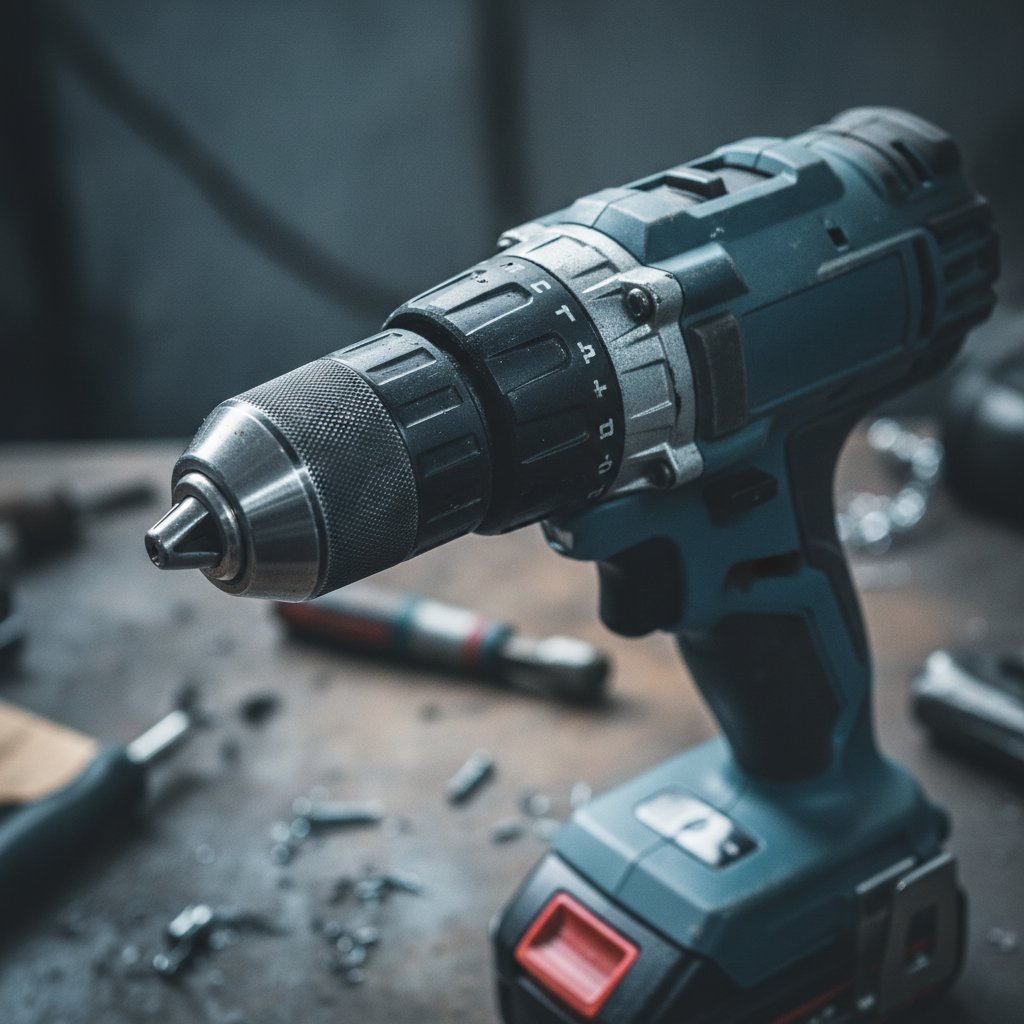
The Expensive Mistakes People Make When Renting Construction Tools
You'd think renting construction equipment would be straightforward—find what you need, pay for it, use it, return it. Yet I've watched contractors and DIY enthusiasts throw away hundreds, sometimes thousands of dollars on avoidable rental mistakes. The difference between doing it right and doing it wrong can mean a 40-60% swing in your actual costs.
Let me break down the two approaches I see most often: the "wing it" method versus the strategic rental approach. Both get the job done eventually, but one leaves significantly more money in your pocket.
The "Wing It" Approach: How Most People Rent
This is the grab-and-go mentality. Show up at the rental shop, describe what you're building, take whatever they recommend, and figure out the details later.
Why People Do It This Way
- Speed: You can walk in and out with equipment in 20 minutes
- No planning required: Just react to problems as they come up
- Feels flexible: You're not locked into a specific timeline
- Low mental effort: Let the rental staff make decisions for you
Where It Gets Expensive
- Daily rate trap: Renting a jackhammer for three separate days at $75/day costs $225, while a weekly rate might be $180
- Wrong equipment size: A contractor I know rented a small excavator for $250/day and needed six days. The larger model at $350/day would've finished in three days—saving $650
- Missing accessories: That concrete saw needs diamond blades ($45 each), which aren't included. Nobody mentioned it.
- Late fees pile up: Return it four hours late? That's often charged as a full extra day
- Damage deposits: Without doing a proper inspection, you might pay for pre-existing damage—I've seen $300 charges for scratches that were already there
The Strategic Rental Approach: Planning Pays
This method requires upfront thinking. You calculate project duration, compare rates, bundle equipment, and negotiate terms before touching a single tool.
The Advantages
- Better rates: Weekly rentals typically cost 3-4x the daily rate instead of 7x
- Bundle discounts: Renting multiple items from one place usually gets you 10-20% off
- Right-sized equipment: Spending time to match tool capacity to job scope prevents do-overs
- Documentation protects you: Photos and inspection reports mean you don't pay for damage you didn't cause
- Relationship building: Repeat customers often get priority access and informal rate reductions
The Drawbacks
- Time investment: Expect to spend 2-3 hours researching and planning your first time
- Requires project knowledge: You need to estimate timelines accurately—overestimate and you're paying for unused days
- Less spontaneous: Can't easily pivot if you discover you need different equipment mid-job
- Upfront mental load: Decision fatigue is real when comparing six different rental companies
Cost Comparison: Real Numbers
| Scenario | "Wing It" Cost | Strategic Cost | Difference |
|---|---|---|---|
| Demolition hammer (5 days needed) | $75 × 5 = $375 | Weekly rate: $225 | Save $150 |
| Excavator + compactor + trailer | $950 (separate daily rates) | $760 (bundle discount) | Save $190 |
| Late return penalty | $125 (half-day charged as full) | $0 (built buffer time) | Save $125 |
| Damage charge (disputed) | $280 | $0 (photo evidence) | Save $280 |
| Total for medium project | $1,730 | $985 | Save $745 (43%) |
Which Approach Actually Works?
Here's the truth: if you're renting equipment more than twice a year, the strategic approach pays for itself immediately. That 2-3 hours of planning saves you enough money to buy a decent tool you'll use repeatedly.
But for genuine one-off situations—your deck collapsed and you need a nail gun today—the convenience of walking in unprepared might be worth the premium. Just know you're paying 30-50% extra for that convenience.
The biggest money-saver? Taking 10 minutes to photograph every angle of the equipment before you leave the lot. This single action has saved people I know from bogus damage claims more times than anything else. One photo session prevents a $400 headache.
Start thinking in weekly rates instead of daily ones. Ask about multi-tool discounts before you commit. And for the love of your wallet, return equipment on time. These three habits alone will cut your rental costs nearly in half without requiring you to become a planning expert.